Statics Think in Terms of Abilities and Values, Whereas Dynamics Think in Terms of Needs and Resources
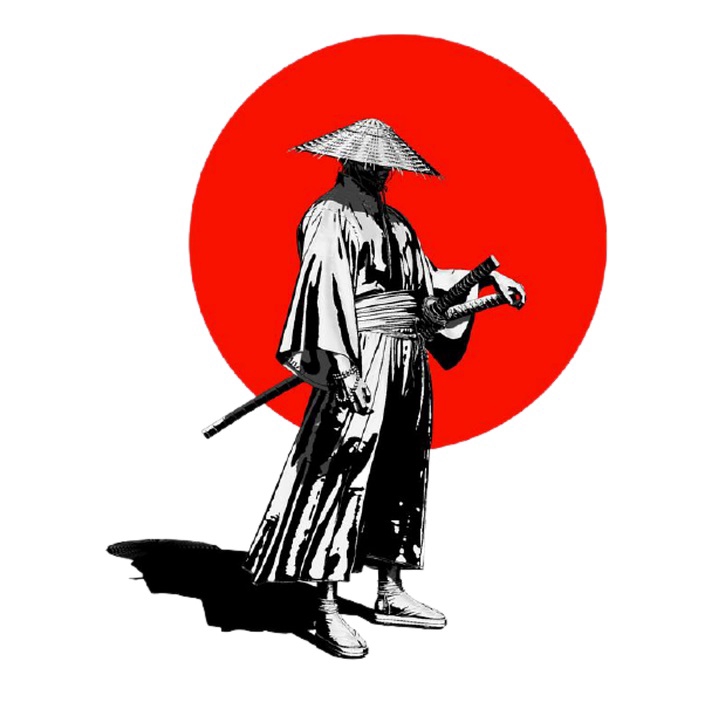
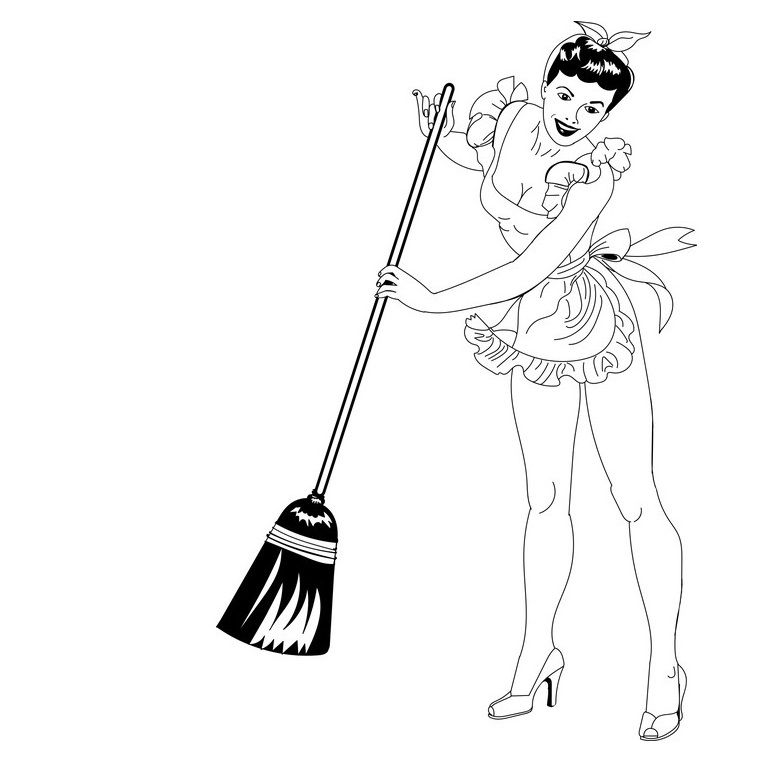
The essence of this dichotomy was previously noted by V. Gulenko, who, in describing orientations toward types of activity, defined static types as “heavy” types, i.e., inclined to resist an adverse environment, and dynamic types as “light” types, i.e., preferring to adapt to prevailing trends.
According to our observations, static types think in terms of abilities and values, whereas dynamic types think in terms of needs and resources.
STATICS
Static types perceive society as a collection of distinct intellectual and power potentials. In this situation, it is important to become a pole of influence oneself, to develop a potential that “bends” the surrounding social space, or to join some broader potential embodying the same values.
Static types try to instill their values in society through an effort of will, reshaping it in their own way. Their moral and ethical character and standing are important to them primarily for their own sake - if necessary, they are prepared to damage their reputation in society, so long as they do not betray what they believe in.
As V. Talanov established, static types are more self-sufficient, or at least strive to become so - because being dependent on someone inevitably leads one to make compromises and thereby erode one’s own values.
In each quadra, it is precisely the static types that constitute its core and backbone, the bearers of its basic orientations, remaining so regardless of the values prevailing in society as a whole.
DYNAMICS
Dynamic types are types that adjust and adapt to the social environment, for whom the foremost concern is their access to transitory resources (food, money, free time in their lives, people’s attention). They are much more prone to dependence on other people, and primarily on those from whom they obtain the resources necessary for life. They are more often prepared to humiliate themselves in order to obtain what they desire (dynamics makes a strong contribution to masochism).
From the perspective of dynamic types, society consists of resource flows of varying intensity between subjects whose energy levels consequently change constantly. Dynamic types maintain their moral and ethical character mainly “for external consumption” - in order to avoid reputational losses and, as a consequence, disconnection from the resource network.
Within a quadra, dynamic types are responsible for its interaction with the structures of other quadras, thereby bringing into the quadra those resources that it cannot produce itself. The values of dynamic types are also more diffuse and situational, and readily adapt to the values of those in power/counterparties/the audience, for the sake of their own survival and comfort and those of affiliated individuals.